
Most travelers spend hours planning hotels, flights, restaurants, and tours. Far fewer spend ten minutes thinking about what could go wrong — lost luggage, frozen bank cards, scams, medical emergencies, unsafe transportation, travel advisories, or arriving in a country without the right documents.
After traveling to more than 130 countries on all seven continents, we’ve learned that travel safety is not about being scared. It is about being prepared. We’ve been hospitalized on four continents, airlifted from the Amazon, robbed in Namibia, scammed more than once, and separated on trains, flights, and border crossings. These are the travel safety tips we actually use before and during every trip.
Table of Contents
What Changed for Travel Safety in 2026?
Travel safety in 2026 is not just about pickpockets and food poisoning. Travelers now need to think about airport scams, baggage tag switching, digital security, changing entry rules, travel advisories, extreme weather, political unrest, and whether their travel insurance actually covers the activities they plan to do.
The basics still matter: keep your valuables secure, split up your cards, know emergency numbers, and watch your surroundings. But modern travel safety also means documenting your checked bag, checking official advisories before you book, protecting your phone and accounts, and understanding the rules before you cross a border.
Travel Safety Tips Before You Leave Home
Planning for a safe and healthy vacation starts before we even leave the country. Once we have our trip dates booked we have a list of things we do to prepare before we go. If we follow these travel safety steps, it makes for a more relaxing vacation and gives us the tools we need should an emergency occur.
- To help you plan for safe travel it’s a good idea to have a routine – Check out our Ultimate Pre-Travel Checklist
- Also, before you travel, check with your government website for health and safety information in the destination you are traveling to. Things change faster than ever these days and it’s good to stay up to date.
- In Canada, we check the Canadian Government travel advisories and we also check the U.S. State Department before choosing our destination.
Get Travel Insurance
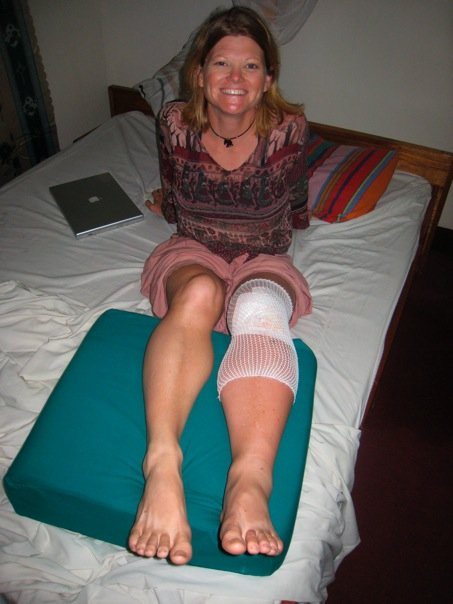
The first thing we do before any trip is confirm our travel insurance. It does not matter whether we are crossing the border for one day, taking a two-week vacation, or heading overseas for several months. If we leave the country, we make sure we are covered.
Before every trip, we check that our policy covers the full length of our travels, the countries we are visiting, and the activities we plan to do. This matters more than many people realize. Travel insurance policies can have exclusions for high-risk activities such as scuba diving, rock climbing, trekking at altitude, motorbike riding, or certain adventure sports.
If we are doing anything beyond a normal city break or beach vacation, we read the fine print and call our provider to confirm what is covered. Yes, it is boring. So is reading a toaster manual. But it is a lot less boring than discovering your “covered” activity is actually excluded after you are already in a hospital overseas.
Because we travel often, we usually buy an annual medical travel insurance plan instead of separate coverage for every trip. It is more convenient, and for frequent travelers, it can be more cost-effective. Dave and I also prefer to be insured together on one policy when possible, rather than buying two separate single-trip plans.
Travel insurance has helped us through several serious situations on the road. We have been in a motorcycle accident in Thailand, I had a serious blood infection in Africa, we have both been violently ill in different countries, and Dave broke his back in the Amazon. In those cases, insurance helped cover eligible hospital expenses, prescriptions, and even flights home.
A good travel insurance policy may also help if your trip is interrupted, your luggage is lost or stolen, you need emergency dental care, or you become sick or injured while traveling. Every policy is different, so read the details before you buy and make sure it matches the way you actually travel.
For more details, read our guide: Do I Really Need Travel Medical Insurance?
You can also see how we compare policies here: How We Choose Travel Insurance
Travel Insurance Checklist
- Confirm your policy covers every country you are visiting.
- Check that coverage lasts for your full trip dates.
- Ask about adventure activities, scooters, diving, hiking, and high-risk exclusions.
- Confirm whether pre-existing conditions are covered.
- Save your policy number and emergency contact details offline.
- Keep a copy of your insurance documents with your passport and in cloud storage.
Check Travel Advisories
Before choosing a destination, we always check official travel advisories. This is one of the easiest travel safety steps to skip, but it can save you from walking straight into a situation you did not know was unfolding.
Travel advisories can warn you about political unrest, violent protests, natural disasters, disease outbreaks, terrorism risks, extreme weather, crime, border issues, and regions to avoid. They are not there to scare you out of traveling. They are there to help you make informed decisions.
We learned this the hard way. On one trip, we did not realize an election was happening while we were in the country. Protests broke out, there were arrests and deaths, and we watched a military convoy of tanks drive by to arrest opposition supporters. We were lucky that we were not directly affected, but it was a very unsettling reminder that you should know what is happening before you arrive.
Before we book and again before we leave, we check official sources such as the Canadian Government travel advisories and the U.S. State Department travel advisories. Depending on the destination, we may also check local news, weather alerts, hurricane season information, volcanic activity updates, and health notices.
A travel advisory does not always mean “do not go.” Sometimes it simply means you should avoid certain regions, use extra caution, change your route, or make sure your insurance still covers the destination. But you want to know that before you are standing in the middle of it with a suitcase and a confused look on your face.
Travel Advisory Checklist
- Check advisories before booking.
- Check again one week before departure.
- Look for regional warnings, not just country-wide alerts.
- Confirm whether your travel insurance covers destinations under advisory.
- Watch for election dates, protests, strikes, extreme weather, and disease outbreaks.
- Save embassy or consulate contact information before you leave.
- Register your trip with your government’s travel notification service if available.
Inform Your Bank About Travels
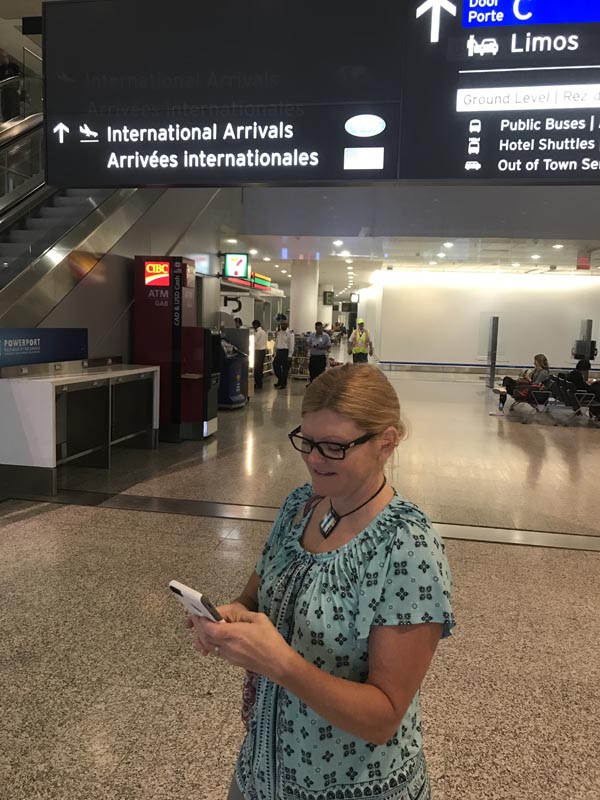
Before you travel, tell your bank and credit card company where you are going, or check whether your banking app lets you add a travel notice. Overseas purchases can trigger fraud alerts, and the last thing you want is a frozen card when you need cash, a hotel deposit, or a rental car hold.
We learned this in Cuba when I forgot to let my bank know we were traveling. My ATM card did not work, my Visa did not work, and when we got home, I discovered fraud alerts had locked the accounts. It caused a lot of unnecessary stress, and it was completely avoidable.
Secure Your Home Before You Leave
Travel safety starts before you even leave home. It is easy to focus on passports, flights, hotels, and packing, but your home needs a safety plan too.
One of the biggest mistakes travelers make is announcing their trip in real time on social media. We know it is tempting to post from the airport lounge or share that first sunset photo the second you arrive, but public updates can tell people exactly where you are and that your home is empty.
Dave and I rarely post our location in real time. We usually wait until we have moved on, or until we are home, before sharing detailed trip updates. It is not about being paranoid. It is about not handing strangers a free schedule of when you are away.
Before a trip, we also try to make our house look lived in. Stop mail and newspaper delivery if needed, ask a trusted neighbor to pick up flyers or packages, and use light timers or smart lights so your home does not sit dark every night.
Home Safety Checklist Before Travel
- Avoid posting your exact travel dates publicly.
- Wait to share detailed vacation updates until you are home.
- Stop mail and newspaper delivery if needed.
- Ask a trusted neighbor to check for flyers, packages, or anything left at the door.
- Use timers or smart lights to make your home look occupied.
- Do not leave spare keys in obvious places.
- Make sure doors, windows, garages, and side entrances are locked.
Prepare Prescriptions and Medications
Before we travel, we fill any prescriptions we need and pack them in our carry-on bag. We never put essential medication in checked luggage. Bags can be delayed, lost, damaged, or retagged, and medication is not something you want wandering through the airport system without you.
We also travel with a copy of our prescription, especially for important medications. If you are carrying medication internationally, keep it in its original packaging when possible and check whether your destination has restrictions on certain prescriptions or over-the-counter drugs.
This is especially important for longer trips, cruises, adventure travel, or destinations where replacing medication may be difficult.
Medication Safety Tips
- Pack essential medication in your carry-on.
- Keep medication in original packaging when possible.
- Bring a copy of your prescription.
- Pack more than you need in case of delays.
- Check whether your destination restricts certain medications.
- Keep a small supply separate from your main bag if you are traveling with someone you trust.
Pack a Basic First Aid Kit
You do not need to bring the entire pharmacy with you, but a small travel first aid kit can save a lot of hassle. Simple items like bandages, pain relievers, antiseptic wipes, blister pads, allergy medication, motion sickness tablets, and stomach medicine can make a rough travel day much easier.
This is especially useful if you are going somewhere remote, hiking, road-tripping, traveling with kids, or visiting a destination where pharmacies may not be easy to find.
For longer trips, see our full guide to packing a travel first aid kit.
Basic Travel First Aid Kit
- Bandages and blister pads
- Antiseptic wipes
- Pain reliever
- Allergy medication
- Motion sickness tablets
- Stomach medicine
- Rehydration salts or electrolyte packets
- Tweezers
- Any personal medication you regularly use
Check Vaccines and Travel Health Requirements
Before traveling internationally, we check whether our destination recommends or requires any vaccines or health documents. Some vaccines need to be taken weeks before travel, and others may require a series of doses, so this is not something to leave until the night before your flight.
Depending on where you are going, you may need or want vaccines for diseases such as yellow fever, typhoid, hepatitis A or B, cholera, Japanese encephalitis, or others. Some countries may also require proof of yellow fever vaccination if you are arriving from a region where yellow fever is a risk.
We usually check official health sources and, for more complex trips, visit a travel clinic. A doctor who specializes in travel medicine can help you understand what is required, what is recommended, and what makes sense for your specific itinerary.
Travel Health Checklist
- Check vaccine recommendations well before departure.
- Visit a travel clinic for complex or higher-risk destinations.
- Confirm whether your destination requires proof of vaccination.
- Keep vaccine certificates with your travel documents.
- Check food, water, mosquito, and altitude risks for your destination.
- Make sure your travel insurance covers medical emergencies.
Money and Document Safety While Traveling
Split Up Your Cash and Cards
One of the easiest ways to protect yourself while traveling is to avoid keeping all your money, cards, and documents in one place.
Dave and I learned this the hard way. We used to think that as long as one of us had the “important stuff,” we were organized. Then we got separated on a train in Switzerland. I had the money, wallet, phone, and documents. Dave was stuck on the train when the doors closed and ended up at an abandoned station with no phone, no wallet, no cash, and no ticket.
He eventually made his way back, but it took more than an hour, and it was a good reminder that even in a safe country, things can go sideways fast.
Now we split our money and cards between us. When we go out, we only carry a small amount of cash and one or two cards. The rest stays locked in the hotel safe or secured separately. If one wallet, purse, or day bag is stolen, we still have a backup.
Keep Important Documents With You
We never put passports, essential documents, prescription medication, or travel insurance details in checked luggage. Those stay with us in our carry-on or day bag.
We also keep digital copies of important documents in secure cloud storage and offline on our phones. That includes passports, visas, travel insurance, emergency contacts, prescriptions, and booking confirmations.
When Dave broke his back in the Amazon, I was overwhelmed and could barely think straight. Having our travel insurance information easy to access made a huge difference. In an emergency, you do not want to be digging through emails, screenshots, and random folders trying to find the one document you need.
Keep Emergency Information Easy to Access
Before we travel, we look up the emergency number for the country we are visiting. Not every country uses 911, and in a stressful situation, you do not want to be searching for basic emergency information.
We also save the nearest embassy or consulate contact, our travel insurance emergency number, and our hotel address. A travel safety app can help, but we also keep the most important details saved offline in case we lose service or Wi-Fi.
For more useful tools, see our guide to the best travel apps travelers should download today.
Personal Safety While Traveling
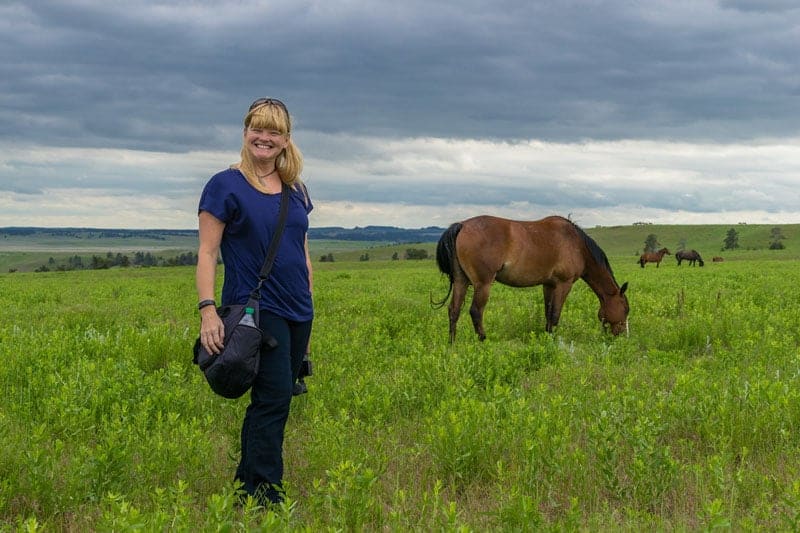
Use a Secure Day Bag
A good day bag can make a big difference when you are walking through busy markets, train stations, airports, or crowded tourist areas.
I like using an over-the-shoulder travel bag because it stays close to my body and is harder to snatch than a loose purse or backpack. We have used Pacsafe bags for years because they include features like locking zippers, slash-resistant straps, and secure compartments.
You do not need to walk around looking like you are guarding the Crown Jewels, but you do want a bag that makes theft harder. Pickpockets usually look for easy targets. A secure bag tells them to go bother someone else — preferably nobody, but criminals rarely take polite suggestions.
Be Careful With RFID Skimming
RFID skimming is a form of electronic theft where someone uses a wireless scanner to try to read information from cards with RFID chips. The actual risk depends on the card, the country, and the situation, but we still prefer using RFID-blocking wallets and bags because they are simple and inexpensive.
At minimum, keep your credit cards, bank cards, passport, and ID secure and close to your body when moving through crowded areas.
For more ideas, see our guide to anti-theft travel accessories.
Stay Aware Without Looking Scared
One of the best personal safety habits is simple: pay attention.
That does not mean walking around terrified. It means noticing what is happening around you, especially in busy areas like train stations, airports, public squares, markets, and transit hubs.
If you are lost, do not stand on a street corner with your head buried in your phone looking confused. Step into a café, hotel lobby, shop, or quieter area and get your bearings there.
Walk with purpose, even when you are figuring things out. You do not need to pretend you are a local, but you also do not need to broadcast, “Hi, I’m confused and carrying everything valuable I own.”
Dress to Blend In
In our early years of travel, we made the classic mistake of dressing like we had just escaped a beach resort: flip-flops, board shorts, camera swinging, the whole tourist starter pack.
There is nothing wrong with being comfortable, but in cities, we try to dress a little more like the people around us. Blending in helps you draw less attention, especially in places where obvious tourists are targeted for scams, pickpocketing, or overcharging. Read our tips to avoid these common travel scams
You do not need to become a fashion expert. Just avoid looking wildly out of place for the setting. If locals are dressed for the city, dress for the city. If you are visiting religious sites or conservative areas, respect the local dress expectations.
Personal Safety Checklist
- Trust your instincts if a situation feels off.
- Split cash and cards between bags or between travelers.
- Carry only the cards and cash you need for the day.
- Keep passports, prescriptions, and insurance details with you.
- Save copies of important documents offline and in secure cloud storage.
- Know the local emergency number before you arrive.
- Use a secure day bag in crowded places.
- Step indoors if you need to check maps or directions.
- Dress appropriately for the destination and setting.
Health and Food Safety Tips
Food and water safety can make or break a trip. We have had some incredible meals around the world, but we have also been seriously ill while traveling. Dave is especially good at ignoring his own food rules, and let’s just say the results have not always been glamorous.
Illness can ruin a vacation fast, but a few simple habits can lower your risk.
Food Safety
When we are unsure about food safety, we stick to food that is cooked fresh, served hot, or can be peeled. We are more careful with foods that may have been washed in local water or left sitting out for a long time.
We usually avoid raw lettuce, cut fruit, buffet items that have been sitting too long, and sandwiches or prepared foods that do not look freshly made.
That does not mean we avoid local food. Far from it. Some of our best meals have come from street vendors. The key is to choose stalls where food is cooked in front of you, served hot, and turning over quickly. If something is grilled, boiled, or fried fresh, we are much more comfortable eating it.
Water Safety
Before we travel, we check whether tap water is safe to drink at our destination. In some countries, the local water is not safe for visitors, and even brushing your teeth or having ice in drinks can cause problems.
At resorts, we ask whether the water is filtered and safe for drinking. If it is not, we use bottled water or purify our own water when possible.
We try not to rely on plastic bottles when we can avoid it, so we often travel with a water purification option. In the past, we have used a Steripen to purify tap water, and there are also filter bottles and purification tablets that can work well depending on the destination.
Travel Health Checklist
- Eat food that is cooked fresh and served hot.
- Be careful with raw salads, cut fruit, and food that has been sitting out.
- Check whether tap water is safe before drinking it.
- Avoid ice if the local water is not safe.
- Carry rehydration salts or electrolyte packets.
- Pack basic stomach medication.
- Use a water purifier or filter bottle where appropriate.
- Wash or sanitize your hands before eating.
Transportation Safety
Transportation is one of the most overlooked parts of travel safety. People worry about pickpockets and scams, then jump into a rental car, scooter, taxi, jet ski, or bus without thinking twice.
We love having the freedom to explore, but we have learned to be much more careful with transportation choices.
Car Rentals
We love renting cars when traveling because they give us freedom to explore beyond the usual tourist areas. But before booking, we always check the rules, insurance coverage, road conditions, and driving laws.
We usually book rental cars in advance, and sometimes bundling a car rental with flights or hotels can save money. But the cheapest rental is not always the best deal if the insurance, deposit, mileage limits, or damage policy creates problems later.
Check Your Rental Car Insurance
Rental car insurance can be confusing. The base rental price may look reasonable, but once you add insurance at the counter, the cost can jump fast.
Before we leave home, we check whether our credit card or personal car insurance covers rental cars. We also call to confirm the details because coverage can depend on the country, vehicle type, rental length, and road conditions.
Sometimes we still buy the rental company’s coverage for peace of mind. In New Brunswick, we once backed into a pole and dented the bumper. Because we had full coverage with the rental company, we returned the car without a major hassle. Without that coverage, we would have had to deal with claims, paperwork, and possible delays.
When in doubt, call your credit card company, insurance provider, or rental company before your trip. Do not wait until you are tired at the rental counter with a line of people behind you.
Scooters, Motorbikes, Jet Skis, and Rentals
A lot of travelers get hurt renting scooters, motorbikes, jet skis, or small boats on vacation. These activities look easy until something goes wrong.
We learned this the hard way in Thailand. Years ago, we rented a scooter and crashed. When we first arrived, we noticed tourists covered in bandages and thought maybe there was a sharp coral reef nearby. Nope. It was scooters. Everyone rented them, and a lot of people crashed.
Now, if we do not have the right license, permit, experience, or insurance coverage, we do not rent one. The same goes for jet skis, speed boats, and other motorized rentals. If we do take part, we prefer doing it with a reputable tour operator who gives a proper lesson and provides safety equipment.
Being on vacation does not make us invincible. Annoying, but true.
Public Transportation and Bus Travel
Public transportation can be safe, affordable, and often the best way to experience a destination, but it still requires awareness.
Keep valuables close on crowded buses, trains, and metros. Watch your bags at stations, avoid falling asleep with your phone or wallet exposed, and be extra alert during boarding and exiting, when distraction theft is common.
On long bus or train rides, keep passports, money, medication, and electronics with you, not in luggage stored underneath or far away.
Transportation Safety Checklist
- Check driving rules before renting a car.
- Confirm rental car insurance before your trip.
- Photograph the rental car before leaving the lot.
- Avoid scooters or motorbikes without proper experience, licensing, and insurance.
- Use reputable tour operators for jet skis, boats, or adventure rentals.
- Keep valuables close on public transportation.
- Keep passports and medication with you on long bus or train rides.
- Trust your instincts if a driver, rental shop, or vehicle feels unsafe.
Common Travel Scams to Avoid
Travel scams change over time, but the basic idea is usually the same: distract you, pressure you, confuse you, or make you feel rushed.
The best defense is to slow down and pay attention. If someone is trying to rush you into a decision, separate you from your bag, distract you in a crowd, or make you carry something you did not pack, stop and think.
Airport and Luggage Scams
Airport scams can involve fake porters, unofficial taxis, baggage confusion, distraction theft, or luggage tag problems. Keep your bags close, use official counters and transportation desks, and document checked luggage before it disappears behind the counter.
Our newer guide to the airport luggage tag scam explains how baggage tag switching can happen and what proof travelers should collect before checking a bag.
Distraction Scams
Distraction scams can happen anywhere: train stations, markets, public squares, ATMs, and busy tourist areas. One person may ask for directions, spill something on you, drop something nearby, or create a scene while someone else goes after your wallet or bag.
If something feels strangely dramatic or urgent, pause and secure your belongings before reacting.
Taxi and Transportation Scams
Use official taxi stands, ride-share apps where appropriate, or transportation arranged through your hotel. Agree on the price or make sure the meter is running before you leave.
If a driver tells you your hotel is closed, your train is canceled, or your attraction is shut down, verify it yourself before accepting their alternative plan. That old scam has more lives than a cat with a passport.
Rental Scams
Be careful with scooters, cars, jet skis, vacation rentals, and equipment rentals. Photograph the item before using it, check reviews, understand the deposit, and do not hand over your passport as collateral unless you are certain it is standard and safe in that destination.
For rental cars, photograph the vehicle inside and out before leaving the lot. For scooters or jet skis, photograph scratches, dents, and existing damage before you start.
Final Travel Safety Checklist
- Buy travel insurance and confirm what it covers.
- Check official travel advisories before booking and before departure.
- Make digital and paper copies of passports, visas, prescriptions, and insurance.
- Tell your bank or credit card provider where you are traveling.
- Split cash and cards between different bags or between travelers.
- Keep medication and important documents in your carry-on.
- Document your checked luggage before handing it over.
- Keep your baggage receipt until your suitcase is back in your hands.
- Use a luggage tracker inside your checked bag.
- Know the emergency number for your destination.
- Save embassy, consulate, hotel, and insurance contacts offline.
- Research common scams in your destination.
- Avoid carrying anything for someone else.
- Be careful with scooters, motorbikes, jet skis, and rental vehicles.
- Wait until you are home before posting detailed trip updates publicly.
Final Thoughts
We learned most of these travel safety tips the hard way. We have been sick, scammed, robbed, separated, stranded, and injured in different parts of the world. That does not mean travel is dangerous. It means travel is unpredictable.
The goal is not to be afraid of the world. The goal is to be prepared enough to enjoy it.
When you take a few safety steps before and during your trip, you can handle problems faster, avoid common mistakes, and travel with more confidence. Most trips go smoothly, but when something does go wrong, preparation makes all the difference.
Travel smart, trust your instincts, and don’t let preventable mistakes ruin an otherwise amazing adventure.
For more information on staying safe while traveling, read Common Travel Scams and How to Avoid Them

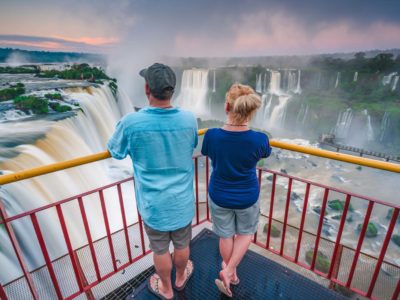

Avoid Oversharing Online.Don’t post your location in real time.
Wait until after you leave a place to share photos and updates.
Wow, You’ve definitely seen your fair share of difficulties when travelling!
Thanks so much for sharing this list. It’s really important to think about this and you’ve made a list covering everything!
Thanks for this safety tips for travel!
Useful !
Thanks for this tips!
Thanks for the informative travel tips which helps for travelers
great tips for safe travels
Great Tips !
Nice tips!
amazing article!!
Thanks for sharing useful tips about travel safety. This surely helps out many people.
Thanks for sharing. These tips are very useful.
oh wow amazing post dear sir thanks for sharing this post and my site is a similar sitehttps://www.trippyholidays.com/tour/jodhpur-jaisalmer-tour-package-3-nights-4-days-trip/
I really appreciate that you mentioned that you should wear a bag that is difficult to snatch when you are traveling, to avoid having anyone steal it. My husband and I are trying to plan a trip across the world for my research thesis in college, and we are both a little worried about being safe. I will need to keep looking online to see if I can find anyone that could train us on how to be safe during our travels.
Thanks for the tips. The major burden of traveling is maintaining your health in a different environment. Hope these tips would help many people.
Hey, thanks for the tips.. m soon going for first international trip <3
Very good advise- now is there a device that can detect hidden cameras in a room?
Hi Dave And Deb,
You have mentioned some Fantastic tips that are a great reminder to stay safe and aware.
Some of them, I knew about, some I didn’t.
Thanks for putting together such a comprehensive list.
Traveling is good to expand the mind. 🙂