
Getting things at the local rate is not always easy when traveling. That is why these tips on how to bargain like a pro when traveling are important.
Table of Contents
How To Bargain Like a Pro When Traveling
In western countries bargaining is not always acceptable and as travelers we are sometimes not used to this game and the rules that come along with it. It’s common to hear tourists complaining about prices being inflated by local sellers to make a few extra dollars without them noticing.
Learn to Barter from the Pros
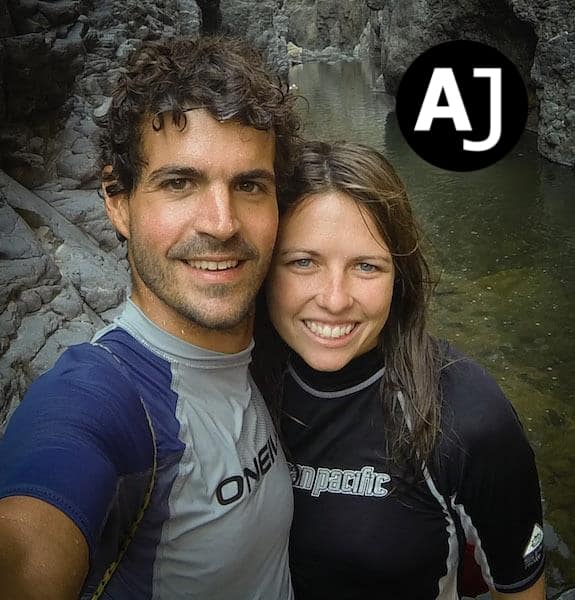
My girlfriend Amanda and I have been traveling around the world on our bicycles for two years now. Our daily expenses hardly go over 10 dollars per person per day. Part of this is because we are traveling in developing countries, also our negotiation skills have improved a lot during this time.
Although sometimes is very difficult to know how much are you paying over the local price, there are several ways you can improve your negotiation skills. Here you have some tips on how to bargain like a pro when traveling.
1. Always with a smile
Bargaining should never be a fight. It’s a relationship, a dialog between two people who are looking to find common ground that is beneficial for both parties.

The ultimate goal is helping each other out. In some cultures, like the Arabs, it’s an ancestral tradition. No purchases happen without bargaining, it’s considered an essential part the transaction. So remember, the most important part is to enjoy yourself, always with a smile and with a deep respect for the seller.
2. The golden rule: the first one who says a price, loses
It’s the most important rule of the game when learning how to bargain: whoever says a price first, will be in a total disadvantage.
If it’s the seller, it will mean that you won’t pay more than that price and if it’s the buyer who says an amount, the seller won’t sell the product for less than that. So remember, let the seller set the price first and wait until he drops it a few times before you suggest an amount.
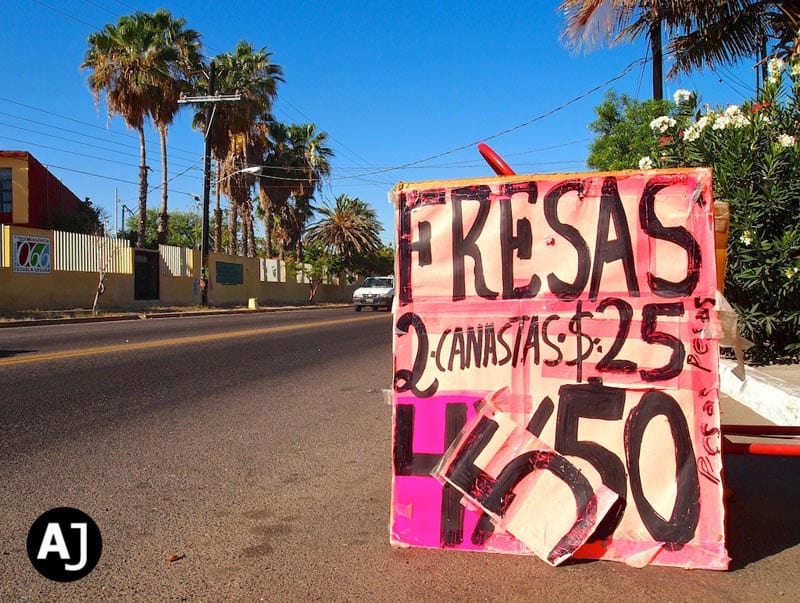
3. Use the local language if possible
If you can speak the seller’s native language, it’s a big plus. You don’t need to be fluent, you just need to know the basics, like numbers and a few phrases such as “how much”, “that’s very expensive”, etc
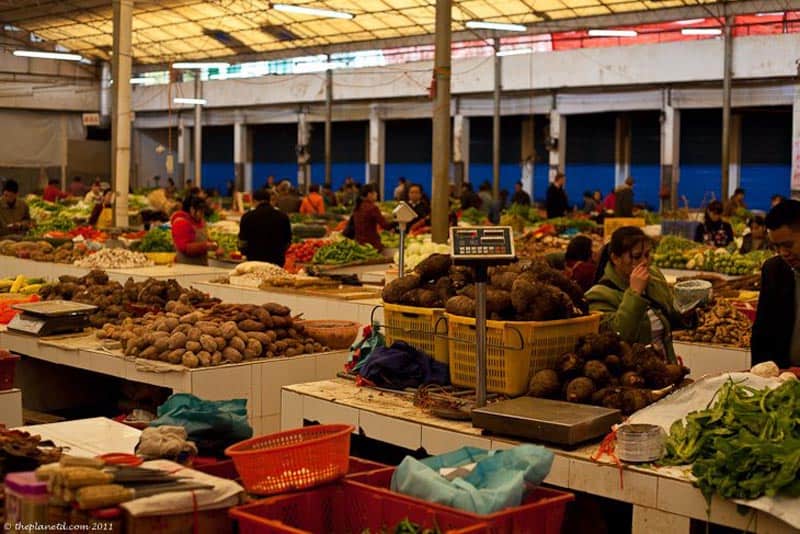
Speaking the local language will show that you actually care about the country and its people which will be very appreciated by the locals. I can’t recall how many times I’ve been to a shop when a tourist just entered without even saying “good morning” and shouting in English “how much is this?”, resulting in being given a price five times higher price of what I just paid.
Interested in World Travel? Check out How to Find Free Accommodation Around the World
It’s like selling something to a friend. You sell it cheaper because you know him and want to help him out. This is the same principle. If you show you don’t care about the locals, their culture or their language, they won’t care about you either and you will be paying much more than the local price.
4. Never show your money until you agree on a price
This is common sense. If you show your wallet full of $100 bills, don’t expect anyone giving you a good deal.
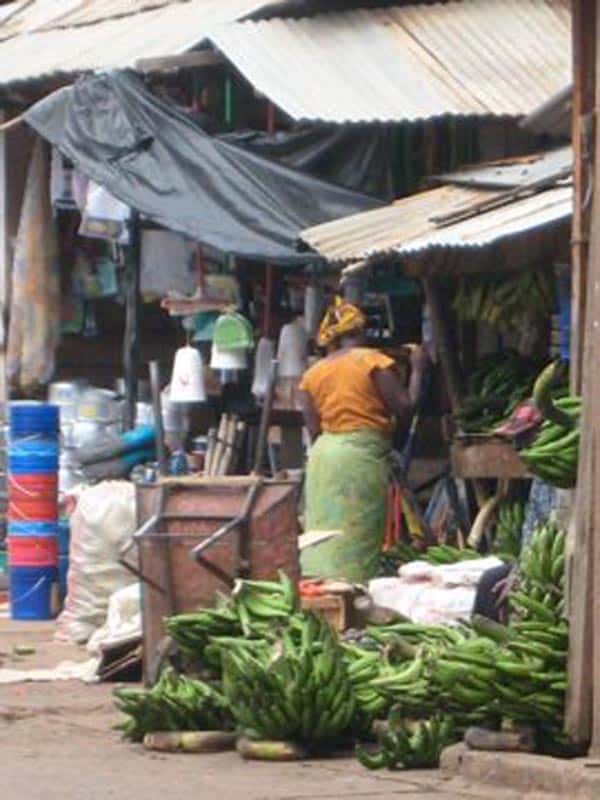
If you look like a wealthy person who can afford to pay a lot, you will be in a complete disadvantage.
5. Patience, patience, patience
Take your time. Bargaining is not a sprint, it’s a long distance run. Even if you are in a hurry try your best not to show it, as it can work against you.
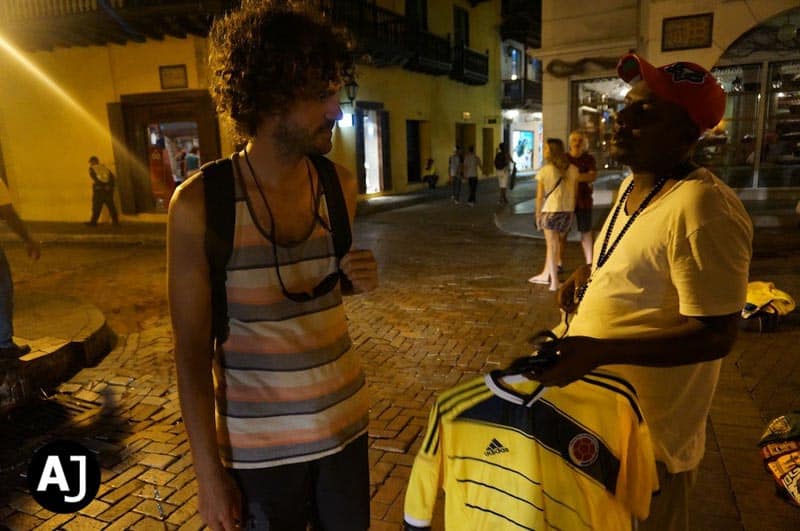
If you only have a few minutes, the seller will just wait until you have to go putting the pressure on you to offer more money. That is how you bargain like a pro when you are traveling.
More ways to Bargain like a pro while traveling…
6. Start way lower than what you would actually pay
You need to leave some margin for negotiation. Also, increasing your offer later on will show the seller you are making an effort to come to a compromise, which will be very appreciated. So the lower you start, the more room you have for negotiation.
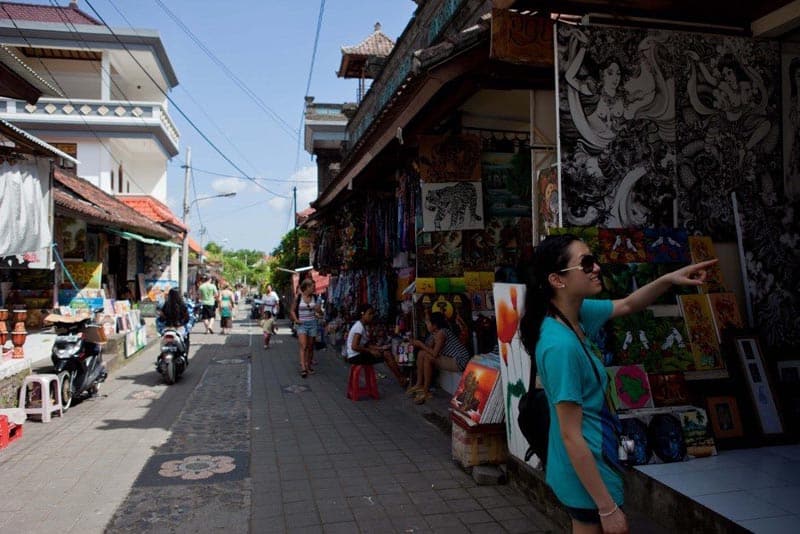
7. Make them relate to you
Kids get what they want most of the time because people feel sorry for them. It’s exactly the same situation when bargaining. If you can make them feel sorry for you, you are likely to get a better deal.
Read: How to travel on a budget
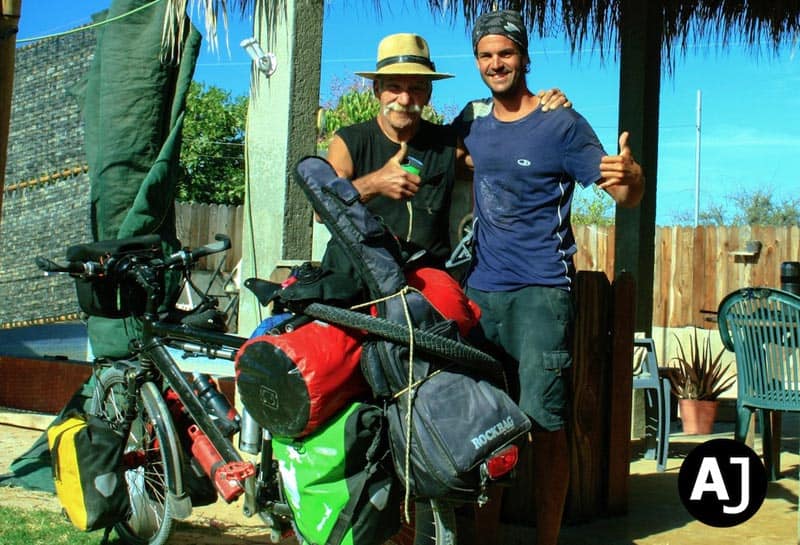
Try things like “I don’t have much money”, “I’m traveling long term” or my favorite “I travel on my bicycle, if I had money I would travel in a car and offer you more”. You get the point. Make up your story and refine it until it works.
8. Compliment the seller
Making things a bit more personal can go a long way when bargaining. Comments like “you seem to be a nice guy” or “I bet you are a person who likes helping people” can be immensely powerful. Try them next time you bargain and you will be surprised with the results.
9. Show respect. Once you offer a price, you can’t go back on it
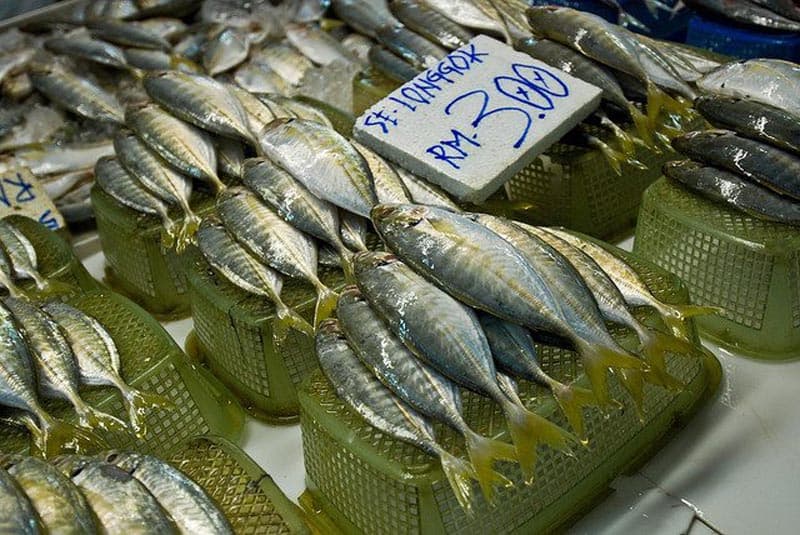
This is an important rule when bargaining when you travel that people seem to forget. Once you make an offer, you have to be content with it. Backing out will show total disrespect to the seller. So only bargain if you are truly interested in something and only make an offer when you really mean it.
10. Once the game is over, everyone is friends again
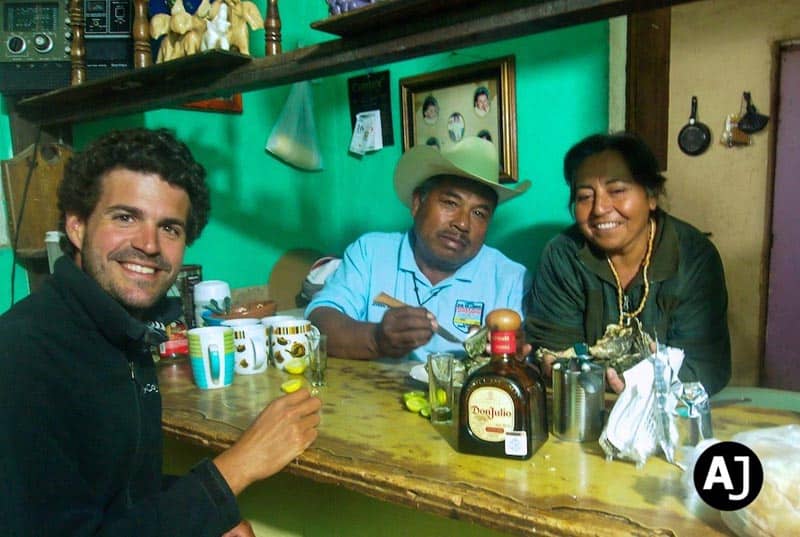
No matter how long it took to agree on a price, an agreement is enough reason for both parties to be happy. Even if the bargain didn’t end in a transaction, politely thank the seller for his time.
Author Bio:
In January 2013 Antonio, together with his partner Amanda, set out to explore the world by bicycle. They had big dreams, a massive bucket list and a plan. A month into their grand journey they decided to throw all their plans out the window. It was simple, they wanted a lifestyle that would allow them to travel…indefinitely. They wanted a life of adventure. So they changed their plan and slowly turned their dream trip into a dream life.
You can find more about their journey at their adventure travel blog Adventure Junkies, follow them on Facebook or catch them tweeting on Twitter.




These are really unique and amazing tips for travel lovers. I really like the reading and your experience of travelling. I’ll surly follow these tips during my travelling time as, I’m a traveller lover and these tips will surely help me. Thank you for sharing it.
Travel during peak times. If the flight has fewer passengers, chances are no one will be moved up. Airlines are more likely to upgrade people to make room on flights they oversell.
Hey Antonio, very useful tips on bargaining. Wasn’t my cup of tea when I started traveling but after some countries where bargaining is a tradition, I started to like it.
My favorite and most effective remains using local language and if I come back in a specific country I’ve been before I tend to go shopping with some local friends for some “psychological” support.
Also the “feel sorry for you” has helped me to get really good deals.
Cheers,
Lara
Hi Antonio, thanks for your tips – I came across your article while looking for some suggestions for bargaining here in Nepal. To be honest, I get tired from bargaining. It is totally fine when you shop for souveniers, gear, clothing or things like that but here in Pokhara the vendors often make me bargain for tomatoes or bananas. I buy it pretty much every day but they still try to make me pay a special “tourist price”. Sometimes I find it really tiring. May be I am wrong but in case of this small everyday shopping, I don’t accept the bargaining game. I usually find a shop with nice owner who remembers me and I don’t need to ask the prices anymore because they are always fair and local.
We do that too when we’ve had enough. We’d just rather go to the grocery store or mall and pay full price sometimes rather than bargaining. It can be tiring especially if you are living somewhere full time.
Great tips to add to the bargaining skills that I have been learning and practicing. It is true that some countries do not bargain and you mentioned that bargaining is less common in the western countries. Mexico can be an exception. Whenever I go to Mexico, bargaining is common and expected. I was once their with someone who never bargained and when she did not want to purchase a product which she thought was too much, the local vendor explained that bargaining is part of the game and she should consider some lower price and bargain. I learned your rule # 5 (patience) the hard way. After bargaining and buying a product, I encountered another one at another location. When the vendor noticed my interest (I was checking it for comparison to the one I bought), he made me an offer. Not needing a second one, I declined. He kept lowering his offer and I kept refusing. When I was leaving, he shouted out to me an even lower offer. I shed tears when I realized that I could have had this for so much less if I had waited and been patient. A lesson learned.
I would add, don’t get so focused on bargaining that you act like an asshole. I’ve seen it happen many times. Also, don’t miss out on something you really want over what might equate to a few cents, and those people can use it more than most of us. I’m all for bargaining, and many times it’s an expected part of the process. But I see people go overboard with it. I’m not sure tourists should expect to completely get the “local price” everywhere they go.
I love this article, impressive! it lives me! Bargain and Bargain, don’t let the seller win easily!
Buy in bulk ask for lower price! Be friendly is the best to do it! 🙂
Good article, i have recomendation for good travel, do you hear Tanjung lesung?
more at http://akia-28.blogspot.com/2015/02/how-to-travel-to-tanjung-lesung.html
Just make sure you double check is the same item you were bargaining for before and not a lower quality one 🙂 Thanks for you input!
I love these tips. I also try walking away to see if they call me back with a better deal. If not, I return a little later and can usually pick up where we left off. You can also tell them you saw something similar for a lower price elsewhere. This often works if the vendor was trying to overcharge.
I have totally done that. When you walk away and they let you go, you know you’ve ended at a fair price and you should go back. We usually wait a bit to and browse the other stalls in between.
This is like the Dale Carnegie of Bargaining :). Really good advice – and isn’t a smile the best way to start almost any conversation?
I feel honoured, Shelley! I agree, a smile is the best way to start anything. Thanks for your comment 🙂
Good point Kathleen. Even with items you have to be careful you get the same one you started bargain for. I’ve seen many sellers going cheaper but giving a lower quality item that looks similar to the first one.
I agree with all these tips. One other suggestion, you must know what you are getting for you buck! Many years ago, when I was travelling in the South of France, I had difficulty finding a place to stay in Cannes. Eventually when I found a room, I bargained with the owner about the price. When I paid the agreed price for three nights, I only then saw the room. What a disappointment! It was barely habitable.
Oh yes, that is an excellent point. We’ve done that before and learned our lesson the hard way. Now if we do bargain for a hotel room, we ask to see it first. I remember a sleepless night our first time in Thailand for a room we bargained for. What a dump.
Great tips indeed! I do manage to bargain once in a while, but I am not a very aggressive haggler. I guess it’s good to negotiate a price if you feel it’s overpriced, or you can accept the deal the way it is offered to you.
Absolutely. The ultimate goal is both parties being happy with the deal. So if you feel you’ve been offered a good price, why not accepting it?
Great post! I love how the first item listed is about the friendliness. I couldn’t agree more. One additional item that I’ve seen influence the experience is your nationality. There’s a reason this question comes up repeatedly. I get the sense that over time people have learned that individuals from certain country drive a harder bargain than others.
That’s a good point I didn’t think about. I wonder if I should mention my Spanish nationality or not next time. Thanks for sharing it, Thomas
Rule #2 is really the Golden one. It can determine the outcome for sure. Great tips and advice!
Thanks! I’m glad you enjoyed it.
Great tips! Another tactic I usually employ is if I wanted to buy multiple souvenirs, I’ll bargain for one item say $4 from the original asking price of $5 then I’ll offer to buy three of it for $10. Usually works for me most of the time.
That is a really good one too, Danial. I also find that works a lot. Always keep how many items you want for the last moment and for sure you will get a better deal. Thanks for the tip!
That is an excellent tip. We always end up buying more because for one it is easier to ask for a discount if we ask for 2 or 3 and it never hurts to have extra.
So agree with all the points mentioned here!! In India, there is usually a lot of bargaining at most of the places and these tips are really what we apply!! One tip which I can add is just try to walk away and the shopkeeper will almost always call you back, that instantly puts you one up!!
Excellent tip! We have found that one works well. It’s a great way to gauge if you went too low in your bargaining as well. If they let you walk away, you know that the price was probably good and you can either go back later and pay what you settled on or know what to pay at the next stop. Thanks for the input.
That’s a nice one Arti. Sometimes when I want to buy something that many people sells, I intentionally offer a very low price and walk away to see how low the sellers goes. That gives me a better perspective of the deal I could get.
Thanks for sharing your thoughts!