We used to think that until we went to India we could never truly call ourselves world travelers. Why would we think this?
Well, India is overwhelming, to say the least. It’s a difficult travel that stirs all of your emotions. You will witness extreme poverty, yet extreme wealth. You will also witness suffering and sadness yet experience overwhelming kindness and warmth.
But make sure you keep an eye out for Scams too, there are a lot of Travel Scams in India.
We spent three months in India traveling up the country on local trains and buses in every class. We loved it, we hated it and it has stuck with us forever.
We felt that if you could travel independently in India, you can travel anywhere and now we feel that we can truly call ourselves world travelers. This India travel guide will help you plan your next vacation.
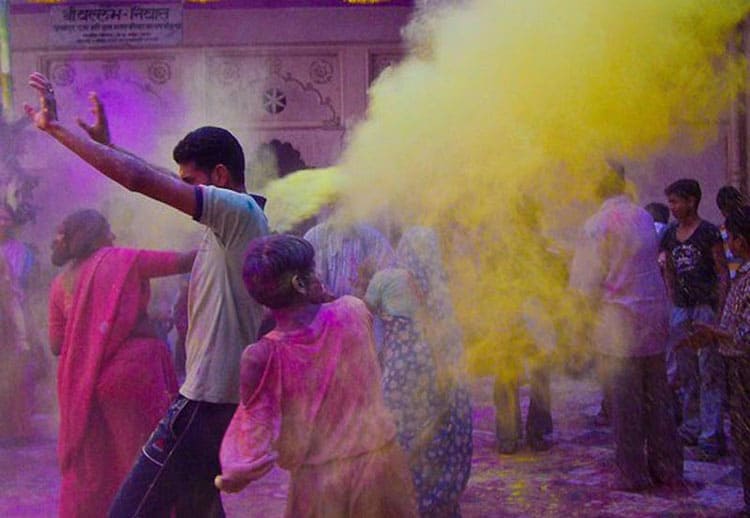
Table of contents
Table of Contents
Fast Facts about India
- Power voltage is: 220-240 V; Plugs C & D
- Currency: The Indian Rupee – approximately 60 rupees to 1 USD
- ATMs can be found everywhere
- SIM Cards are easy to buy for your unlocked smartphones. Data is cheap and fast but you will have to get a different SIM card for each state.
- Tipping is expected in India, everyone expects backsheesh for everything.
Things to See and Do in India
- Go Bouldering in Hampi – Hampi was one of our favourite destinations. We spent well over a week, in Hampi exploring it’s incredible ruins, surrounded by millions of boulders. Some so big that you can do a proper climb on them.
- BackWaters of Alleppy – A boat tour of the Backwaters in Alleppy is a wonderful, relaxing experience. You can hire your own personal boat and putter through amazing culture and scenery.
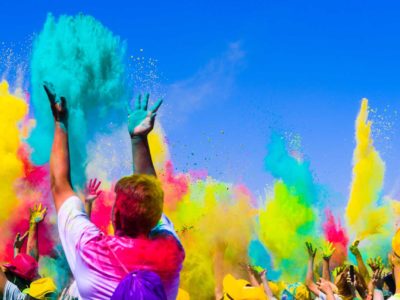
- Holi Festival – the most colourful and uplifting festival you will ever visit will be Holi in India. Get ready to be covered in powder and liquid as you dance through the streets.
- Practice Yoga – If you have ever wanted to study yoga, India is the place to do it.
- Ayurvedic Massage – Sign up for a month and really delve into the culture.
- Pakistan Border Ceremony– This is the best moment you’ll see in India. Each night at the Pakistan Border in Punjab a great spectacle happens as the changing of the guards put on a show.
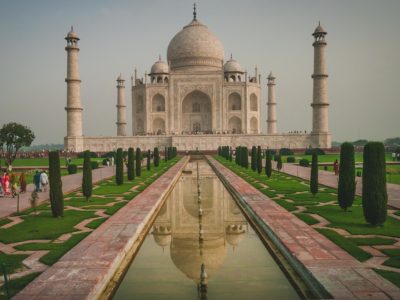
- The Golden Temple – Move over Taj Mahal the Golden Temple of Amritsar is the most incredible temple of India in our opinion.
- Udaipur – Everyone will recognize Udaipur from the white hotel in the middle of the lake. Remember Octopussy? That’s the lake I’m talking about.
- Rajasthan is your gateway to the Thar Desert for a camel safari. The Blue, Pink and Gold Cities aka Jodhpur, Jaipur and Jaisalmer are also located here and not to be missed.
India Travel Guides
Budgeting
Accommodation
Budget – Budget hotels in India provide free Wi-Fi, airport transport, and clean family rooms. They start at $14 per night.
Mid Range – Most of the mid-range hotels offer free breakfast, 24/7 room service, a television, and a balcony too. They cost up to $130 per night.
High End – High-end hotels start at around $400 per night and may include a private gym, pool, and lounge.
Check out our favorite booking platforms Booking.com, Tripadvisor and VRBO for the best deals on accommodation in India.
Food
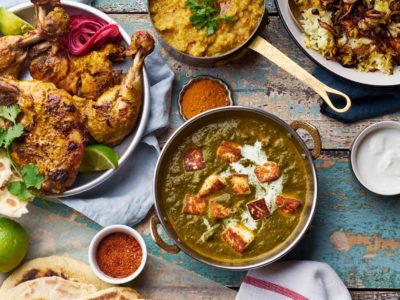
- Alu Gobi – It is a dry vegetable dish, cooked with potatoes, cauliflower, and Indian spices. The addition of turmeric powder makes it yellow. It is one of the most popular dishes ordered in restaurants.
- Rogan Josh – It is a staple of Kashmiri cuisine brought by the Mughals. It is a brilliant red that comes from the dried Kashmiri chilies. Lamb cooked with gravy is a must eat if you are a lamb lover.
- Samosas – These are deep-fried or baked pastry types with savory fillings such as flavored potatoes, chicken, beef, onions, or peas. Samosas are common street food, and people eat them as a mid-day snack.
- Malai Kofta – Malai means “cream.” It is cooked in a creamy gravy that is made of tomatoes and cashew nuts. It’s an alternative for a vegetarian dish.
- Tandoori Chicken – This is a prevalent North India dish and is prepared with roasted chicken, yogurt, and spices. It is cooked in a clay oven that is known as a tandoor hence its name. The dish goes well with basmati rice and Naan.
- Beef Vindaloo – This is a curry dish popular in the Goa region. A vindaloo paste can be a blend of chilies with coriander, cumin, and other authentic spices. It is a spicy dish, but many restaurants minimize the spice by reducing the number of chilies.
- Masala Chai – Masala chai is a worldwide popular beverage originally made in India. It is traditionally made by brewing black tea with a mixture of herbs and spices. It is now even sold in teabag form.
The Best Ways to Get Around India
Getting to India:
Flights: There are direct flights available from Pakistan, China, Iran, Iraq and other countries too. The major airports in India are Indira Gandhi International Airport, Chennai International Airport, and Mumbai International Airport.
You can check for the best flights to India on Skyscanner.
Transportation:
Train is the best way to get around India. India Rail has an extensive system that goes to every corner of the country. It is cheap, and you can book 2nd or 1st class seats for a very comfortable ride. But it can be confusing, read our full post on Navigating India Rail here.
Buses: Local buses are found in India, but you may want to travel in a group for safety.
Taxis/Uber: Uber cabs are found in India almost 24/7. They have a base fare of 47 Indian rupees.
Car Rental: Car rentals in India start from $22 per day. You can also compare prices here.
When to go To India
India is a big country and when packing you should take into consideration where you are going. The South is hot all year long so you can get away with packing light.
In Delhi, it gets very cold. We were there in January and temperatures hit zero.
Where to Stay in India
- Lakeside Chalet, Mumbai – Marriott Executive Apartments – This is a luxurious accommodation in the city of Mumbai. These are clean apartments with free internet services and a full-sized kitchen in each room.
- Hilton Mumbai International Airport – This is only 5 minutes away from the domestic terminal at Mumbai Airport. It is the top hotel choice for business travelers who don’t want to travel far away from the airport. They provide a private pool, bottled water, free breakfast, and other VIP facilities.
- The Leela Mumbai – This is one of the finest and luxurious hotels in Mumbai, India. The hotel is surrounded by the breathtaking landscape of waterfalls and gardens and only 5 minutes away from Chatrapati Shivaji Airport.
Check out our favorite booking platforms Booking.com, Tripadvisor and VRBO for the best deals on accommodation.
What to Pack for India
In the desert it can fall to zero at night and the Himalayas is downright cold. Take this into consideration when packing. Here are a few essential items we recommend having on hand for India. For a full list see 13 Essential Items & 5 we wish we Had for India and Travel Gear, did we need it all?
- Pacsafe – Train travel in India can be nerve-racking, especially if you have to keep an eye on your bags. Lock them to your bunk with a package and you’ll sleep safe and sound.
- Combination Padlock – The same can be said for a padlock. It’s always good to give things an extra lock up when traveling in India
- Headlamps – We found our headlamps invaluable. It’s amazing how often you are walking in the dark in India
- Ear Plugs – India is loud. You’ll have a better night sleep if you wear earplugs. Check out 10 things that will ruin your sleep in India
- Wet Ones – India is a dirty place, there’s no denying it. Have some handy wet naps to wash up in a snap
- Sarongs – I think I have sarongs in every packing list. From covering up when visiting temples, being used as a towel or keeping cool on a hot night.
Note: Women, be sure to dress modestly, India is mainly Hindu and has one of the largest Muslim populations at 177 million. Be respectful of the culture. Buying clothes in India is a great way to blend with the locals and be more comfortable.
See our packing tips: packing tips
India Travel Guide: Best Booking Resources
Whenever we travel to we make sure to start with these companies. We have tried a lot of different ones over the years and all of these have consistently proven to be the best when it comes to offering great prices.
We have used every one of these personally and continue to do so.
- Booking.com: This is our go site to when comparing prices for accommodation. It usually has the cheapest prices, especially in Europe and we love their interface. Not to mention you get free cancellation and you are guaranteed the best price.
- Trip Advisor: What we like about Trip Advisor is that we can look at all the reviews and then book our accommodation. TripAdvisor is where we go when we want to compare prices with multiple accommodation providers.
- VRBO: is the main search engine we use when we are looking for a home or apartment rental. It can sometimes be cheaper than hotels and it is the best way to stay in areas that offer a more local feel.
- Hostelworld: With one of the largest databases of hostels in the world, Hostelworld is the go-to site when you are looking for budget accommodation.
- Skyscanner: This is the first place we check for flights. It consistently comes back with the cheapest and best options. It allows us to compare a lot of airlines to get the best price.
- Rome 2 Rio: If you want to see how to get somewhere by plane, train, bus, ferry or car Rome2Rio lays it all out for you as well as related costs.I love how they show it all to you on a Google Map and it works offline.
- Get Your Guide: For all your day trip and city guide needs, we use Get Your Guide. It has the world’s largest collection of things to do with more than 30,000 activities in 7500 destinations.
- World Nomads Insurance: When traveling to Italy you should always have travel insurance. We have found the best bang for your buck is by far World Nomads.
India Travel Guide: Related Articles
To browse all our articles and guides about India click here.